749 Kenyon · Eleventh Street · Washington
A house heldinside a block’s memory.
This is a neighborhood shaped by homes, schools, streetcars, shopkeepers, and rooms where Washingtonians gathered when few others welcomed them.
Why tell it here
A listing can honor what a block has carried.
Most homes are introduced as though their story begins at the front door. This one belongs to a deeper Washington: Bruce School’s students across Kenyon, streetcars bringing life to Eleventh Street, family markets at the corner, and Nob Hill offering a vital room to Black gay Washington.
Every image is captioned for the building and moment it actually records. Together, they preserve the setting around the 1916 house and the communities that gave the block its character.
The documented line
From new streets to a neighborhood with a memory of its own.
1881–1907
A street takes its place
Columbia Heights was laid out across the former Stone Farm in 1881. Kenyon kept its name as much of Washington’s street grid was renamed in 1905, and Congress authorized its further extension in 1907 as this part of the city took urban form.
Library of Congress subdivision plat; District street records
1898
Learning across the street
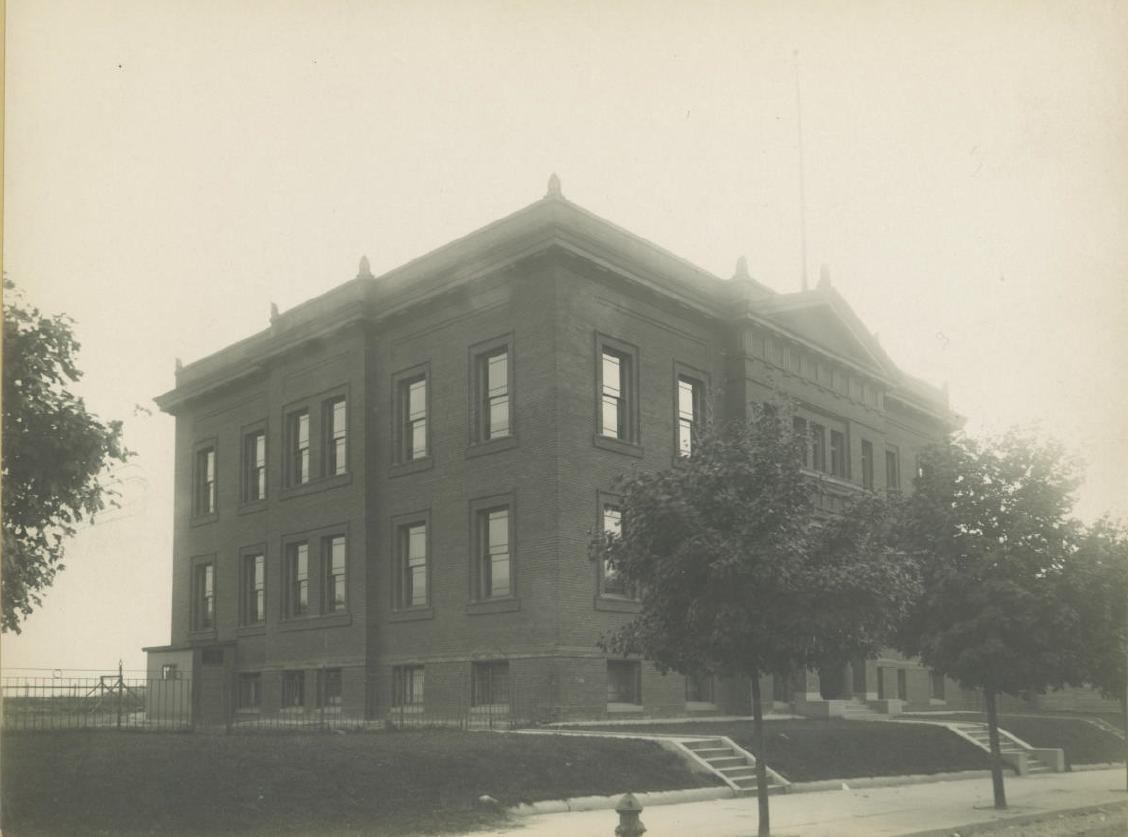
Bruce School opened at 770 Kenyon Street for Black children during segregation. William M. Poindexter designed its formal Renaissance Revival front; the school became both a place of learning and a gathering place for the surrounding community.
Bruce School National Register nomination
1910s
Eleventh Street begins to move
The 11th Street streetcar line arrived and increased foot traffic along the corridor. The one-story commercial row near Monroe dates to this period—a reminder that daily life here has long moved between quiet residential blocks and independent storefronts.
Columbia Heights Heritage Trail; Park View walking tour
1916
The Kenyon Street Colonial
District tax records date 749 Kenyon Street to 1916 and identify its parcel as Square 2892, Lot 88. Its brick front, porch, garden ground, and human scale place the house inside the block’s early-twentieth-century growth.
District tax record
1926–1927
A block becomes a civic crossroads
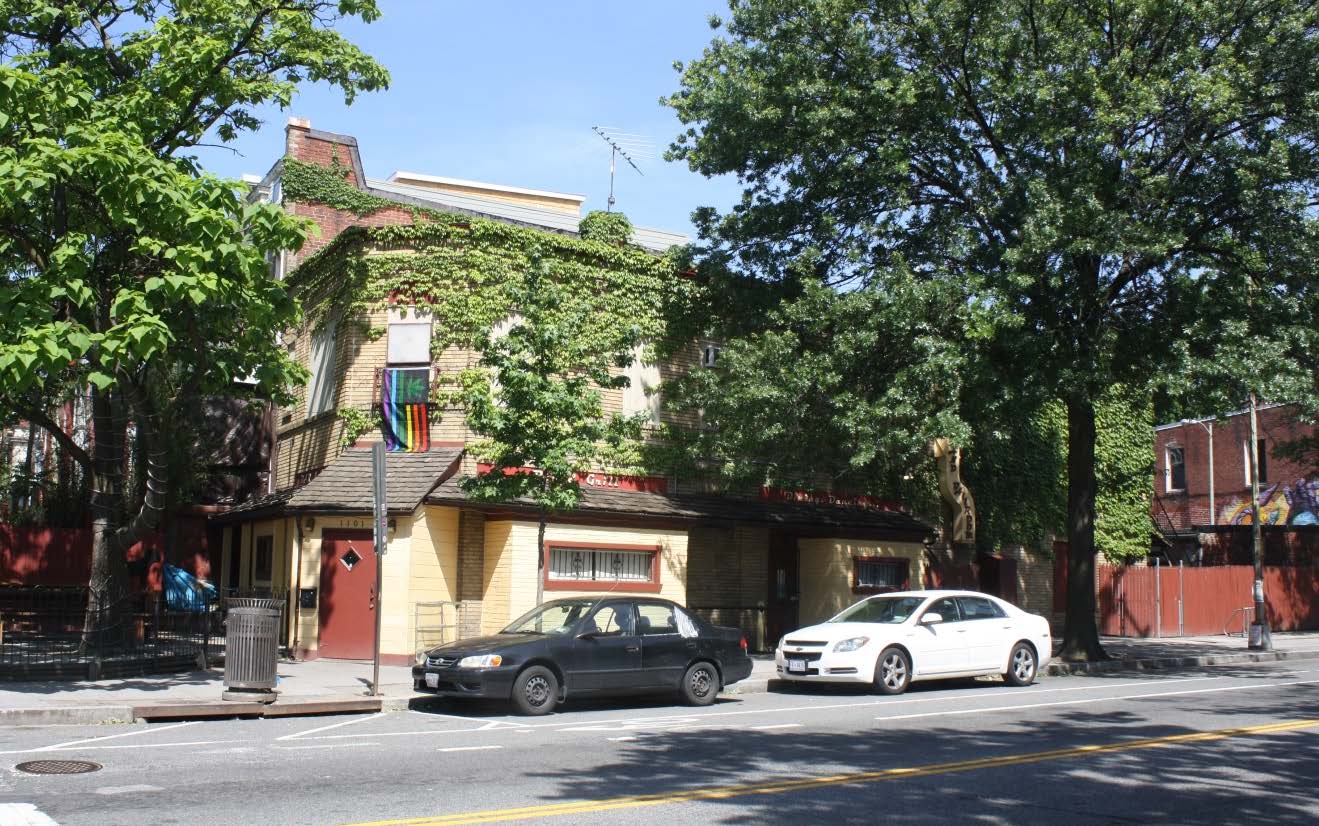
At 1101 Kenyon, James Witt commissioned D. Sutton to design a store with a five-room apartment in 1926. One year later, municipal architect Albert L. Harris enlarged Bruce School. Homes, shops, school life, and streetcars now met within a few steps.
Historic American Buildings Survey DC-882; Bruce School nomination
1950s
Markets by day, gathering place by night
A 1951 street photograph records Mays Farm Market, United Food Stores, and Safeway around 11th and Kenyon. Nearby, 1101 Kenyon became Nob Hill: first a private social club, then a public bar serving a Black gay community excluded from much of Washington nightlife.
Ghosts of DC archival photograph; NPS HABS DC-882; WETA Boundary Stones
1957–2004
Nob Hill holds the corner
Nob Hill grew into one of the nation’s pioneering Black-owned gay gathering places. Dinner, conversation, drag, dancing, and Sunday Gospel Hours made the room a social institution for nearly half a century. When it closed, it was remembered as Washington’s longest-operating gay bar.
Columbia Heights Heritage Trail; Rainbow History Project as cited by NPS
2004–2026
Old rooms, new chapters
The corner reopened as the Wonderland Ballroom, preserving the 1926 building as a neighborhood gathering place. Bruce School gained landmark recognition, 749 Kenyon was renewed as a single-family home, and the corridor’s independent restaurants and bars carried forward 11th Street’s intimate scale.
NPS HABS DC-882; DC Historic Preservation Office; present-day house record
Washington in motion
The city moved through the hands of working people.
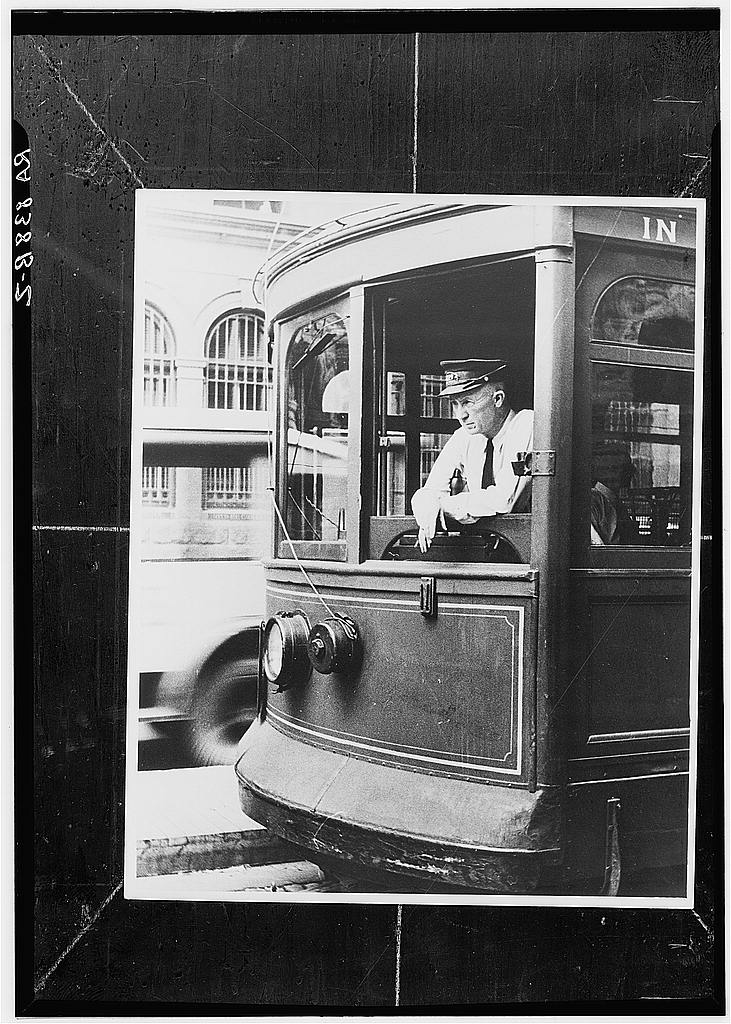
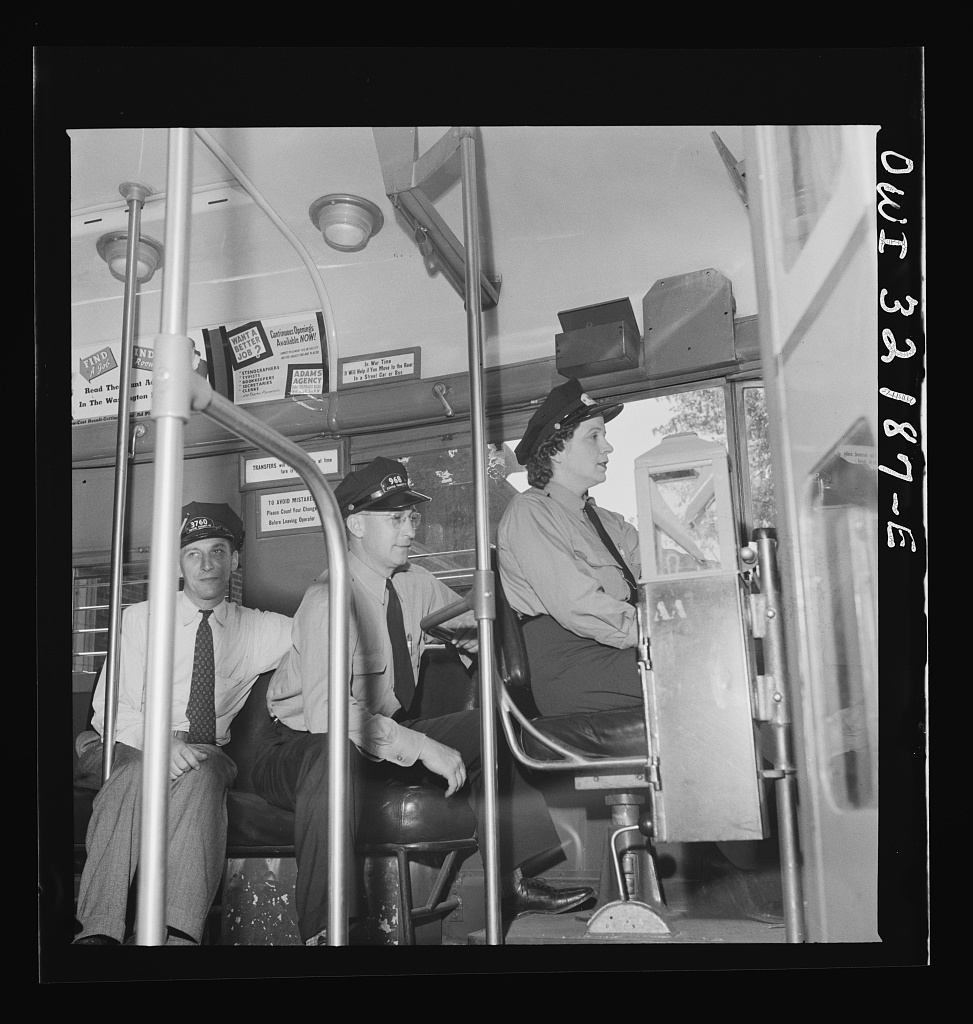
Streetcars brought customers to neighborhood shops and carried students, workers and families across Washington. These photographs record the people who kept that system moving.
Across Kenyon Street
School days, seen across generations.
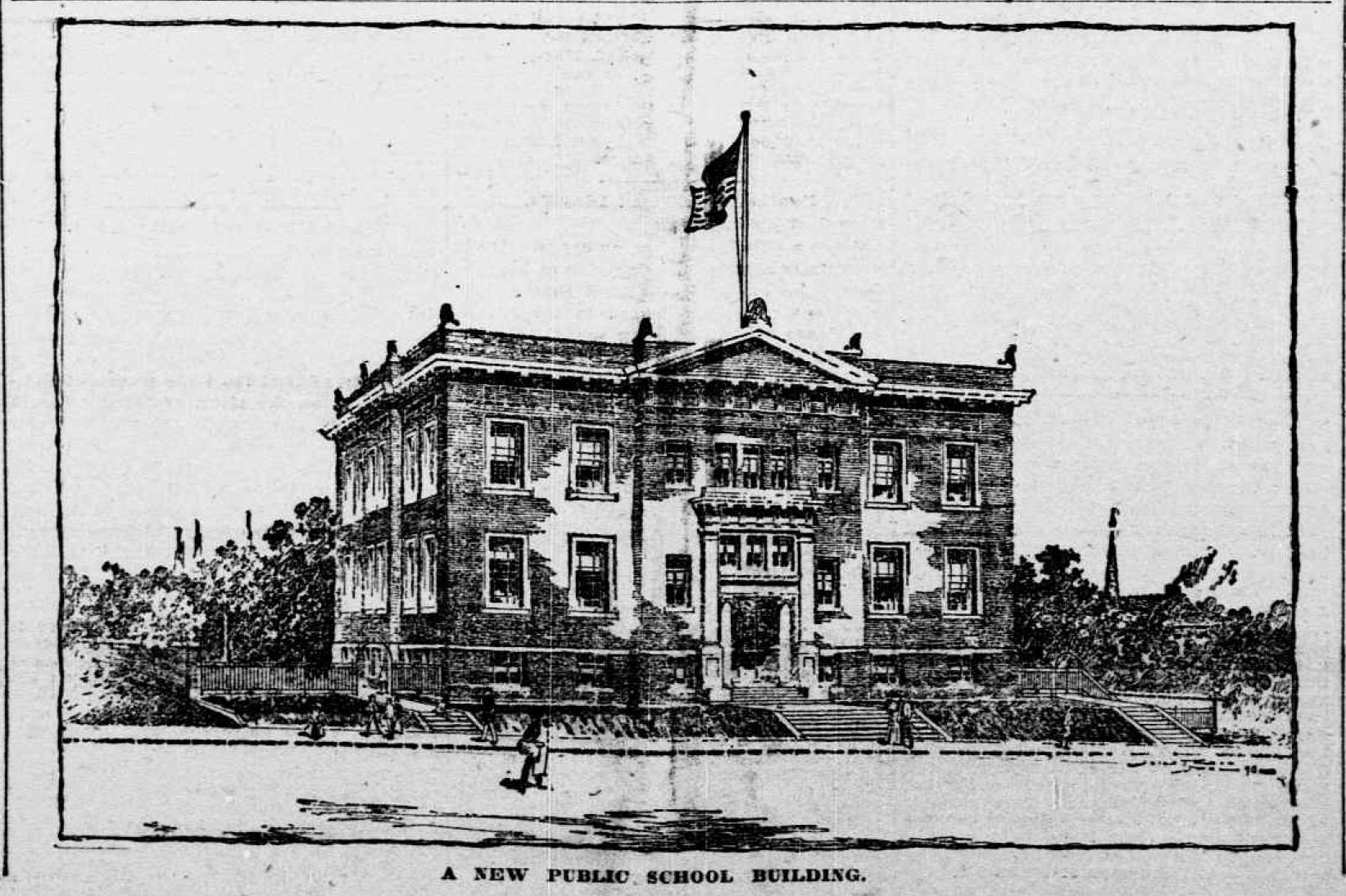
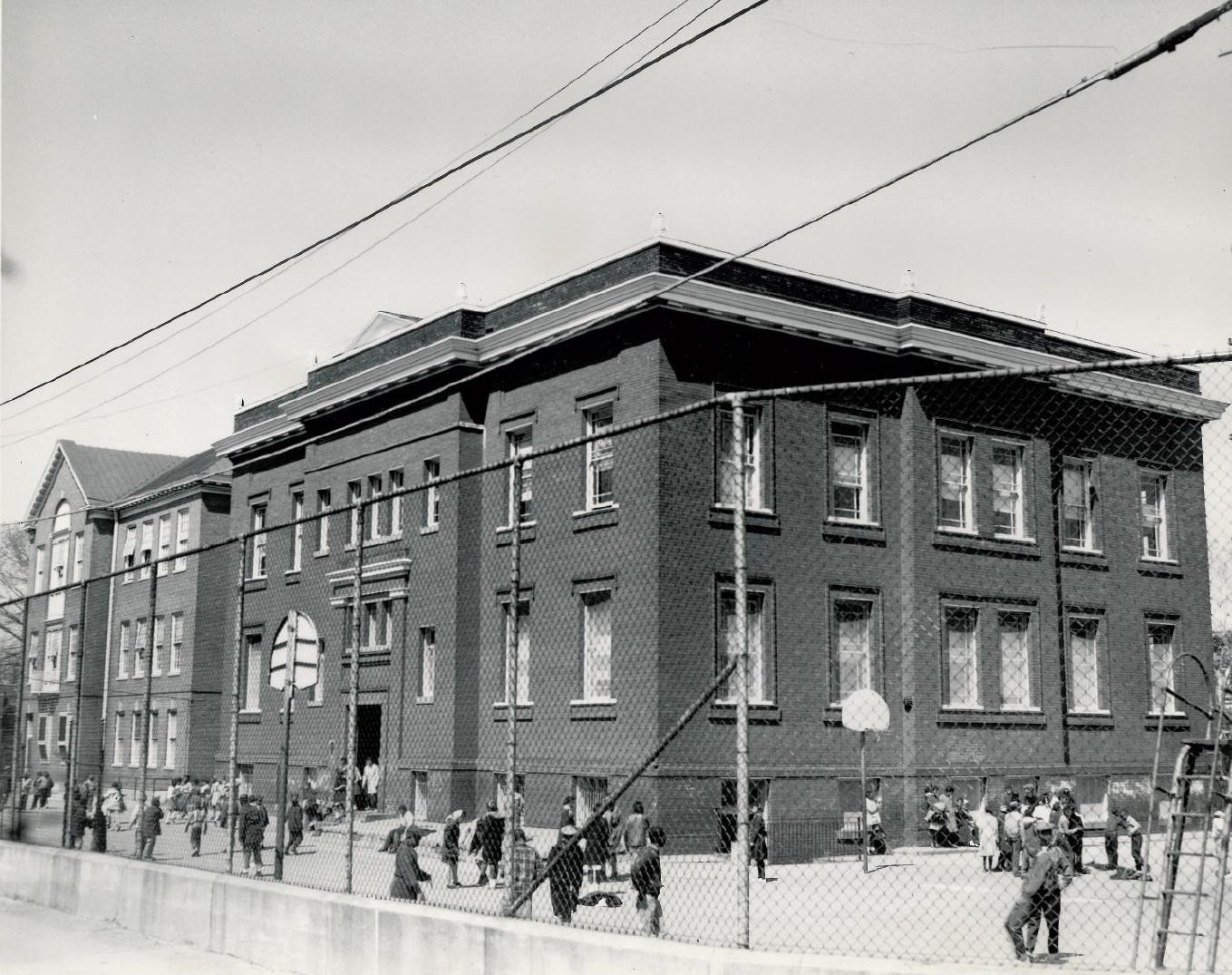
Both images appear in the official Bruce School National Register nomination and are credited there to the Sumner School Archives.
Eleventh & Kenyon
One corner, many forms of welcome.
Built in 1926 as a store with an apartment above, 1101 Kenyon later became Nob Hill. In a segregated city, it offered Black gay men a place for dinner, conversation, performance, and belonging. Its successor, Wonderland Ballroom, keeps the building in public life today.
A commercial street in motion
Groceries, streetcars, neighbors.
The streetcar made Eleventh Street a natural place for everyday commerce. A remarkable 1951 view of 11th and Kenyon records Mays Farm Market, United Food Stores, and Safeway—three food businesses meeting at one neighborhood corner.
Awning signs, parked cars, tracks and storefront windows capture an ordinary working day at the intersection.
See 11th & Kenyon in 1951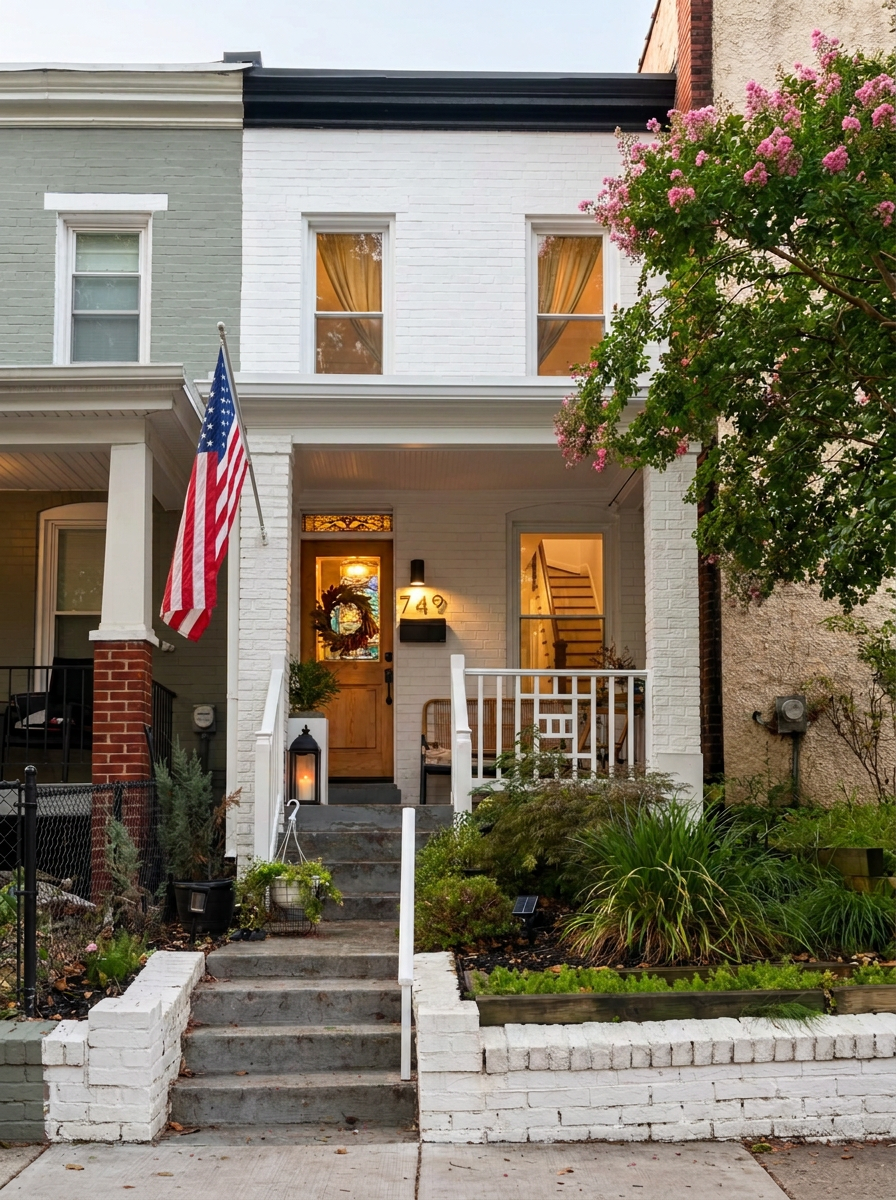
1916–2026
Preservation is also a way of looking forward.
The brick front still meets the sidewalk at the same intimate scale. Behind it, the rooms and systems have been renewed for the way life is lived now, while the house remains whole—a home, garden, and piece of Washington ground under one ownership.
Sources & further reading
Bruce School National Register nomination
Architecture, school history, historic images and bibliography.
DC Historic Preservation staff report
Landmark review and official findings.
Historic American Buildings Survey: 1101 Kenyon
Building history, cultural significance, photographs and plans.
Columbia Heights Heritage Trail: Nob Hill
Streetcar, Eleventh Street, Black LGBTQ culture and the 2009 marker.
Park View: A Walking Tour
Neighborhood growth, institutions and streetscape.
11th & Kenyon in 1951
A published archival view of the corner’s food markets.